Why Your House Always Feels Messy — Even After You Clean
You spend an entire afternoon cleaning the house. The counters are clear. The laundry is folded. The floors are done. You light a candle, sit down and start to think maybe you do have your life together.
Then somehow, two days later, there are water bottles on every surface, a mysterious pile forming on the kitchen counter, clothes on The Chair™, and you’re wondering how everything unraveled so fast. Again.
I’ve had friends tell me in conversation, “I’m not a dirty person,” before explaining how hard it feels to maintain their home. And I know they’re not. I know you’re not either. Most homes don’t actually need more cleaning. They need systems that make daily life easier to maintain.
A lot of people think this means they’re lazy, messy, unmotivated, or just “bad” at keeping a home clean. Usually, that’s not the problem. Most homes don’t actually need more cleaning. They need better systems for real life.
And honestly? That’s good news. Because systems are a lot easier to fix than your entire personality. Let’s be honest — you already nailed that part.
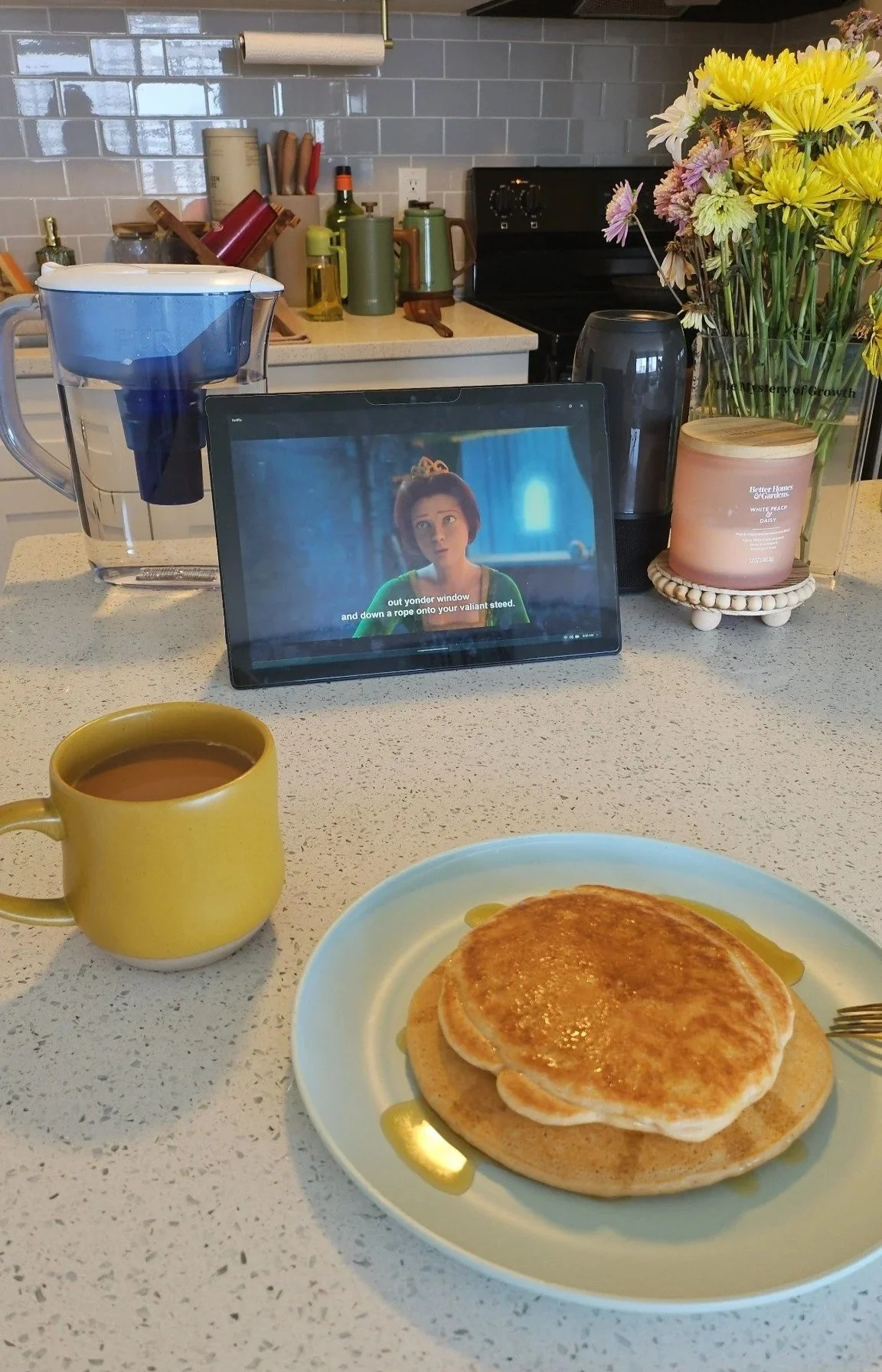
Cleaning a home and maintaining a home are two different skills. Louder, for the people in the back. Cleaning is wiping counters, vacuuming, scrubbing sinks, and doing laundry. Maintaining a home is having places things naturally return to, reducing clutter before it builds up, and creating routines that prevent chaos from snowballing.
A clean house can still feel stressful if there’s no system underneath it, and even the tidiest people can feel crushed by the weight of that after awhile. That’s why some people spend all weekend cleaning but still feel constantly behind during the week. The issue usually isn’t dirt. It’s friction. Tiny annoying moments add up all day long:
nowhere convenient to drop mail, or papers
laundry baskets in the wrong place, clothes no where near it
cabinets stuffed full nothing fits back easily
random items with no real “home”
too many things competing for attention
Eventually your brain starts avoiding the mess because every small task feels like twelve tasks. That’s not laziness. That’s mental overload.
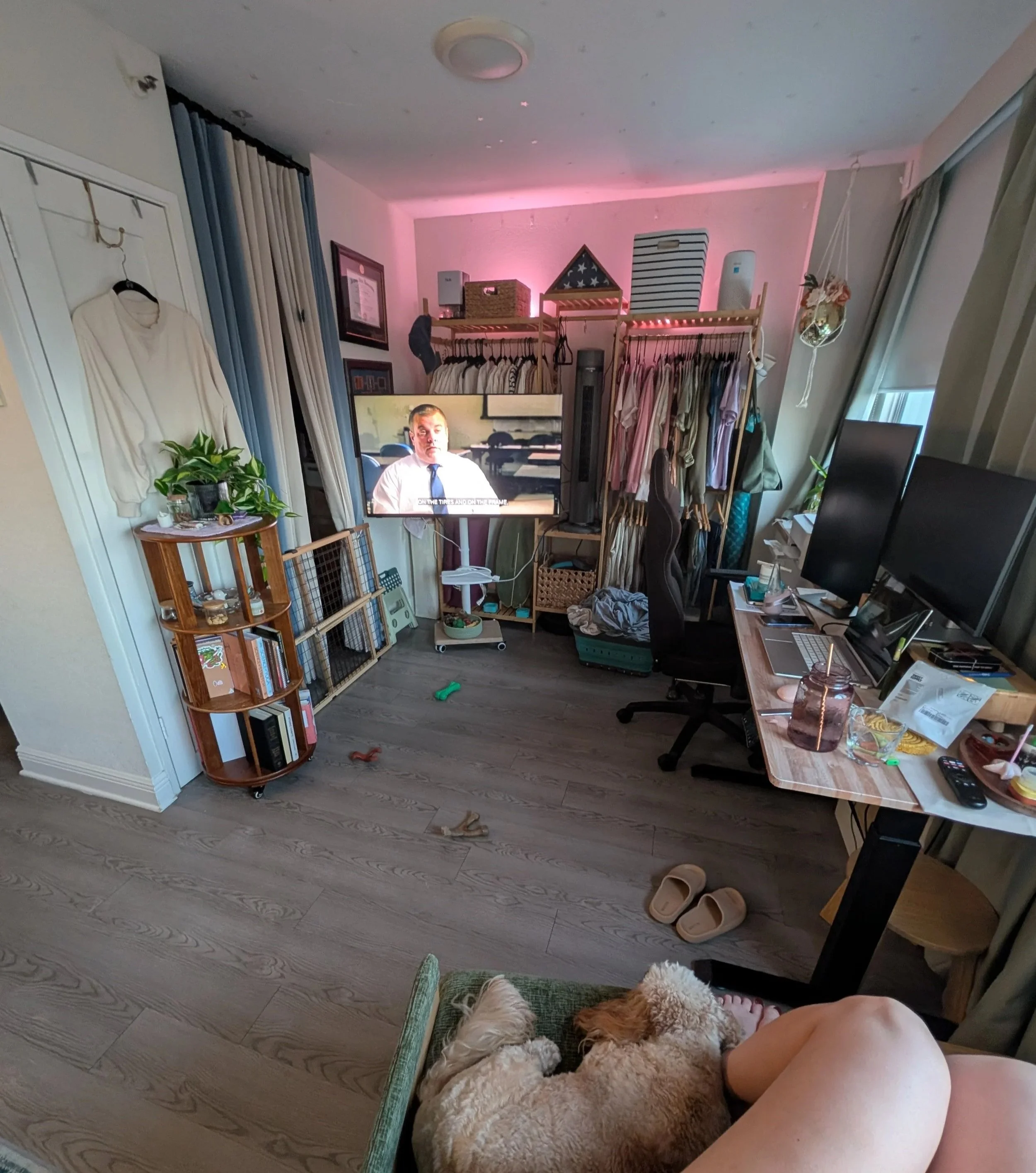
The real problem is usually decision fatigue. One of the biggest hidden causes of household chaos is constant micro-decisions.
Simply put: you have no defaults.
Where does this go?
Should I keep this?
Do I deal with this now?
Do I need to reorganize first?
Why do I own seventeen reusable grocery bags?
A cluttered home quietly drains mental energy because your brain keeps processing unfinished decisions.
That’s why sometimes you walk into a messy room and instantly feel tired. Not dramatic tired. Just: “I suddenly need to lay down and scroll my phone for forty minutes” tired.
A lot of people are stuck in what feels like emergency cleaning mode. Ignore the mess, become overwhelmed, panic clean, exhaust yourself, rinse, and repeat.
The goal is not to become someone who deep cleans constantly. The goal is to make your home easier to reset and maintain.
The 4 Small Systems That Make the Biggest Difference
You do not need a perfectly labeled pantry or a refrigerator organized like a TikTok influencer filming their weekly restock video. You need systems, or defaults, that are easy enough to keep using when life gets busy.
1. Create Reset Zones
Instead of trying to maintain your entire home equally, focus on a few high-visibility areas first.
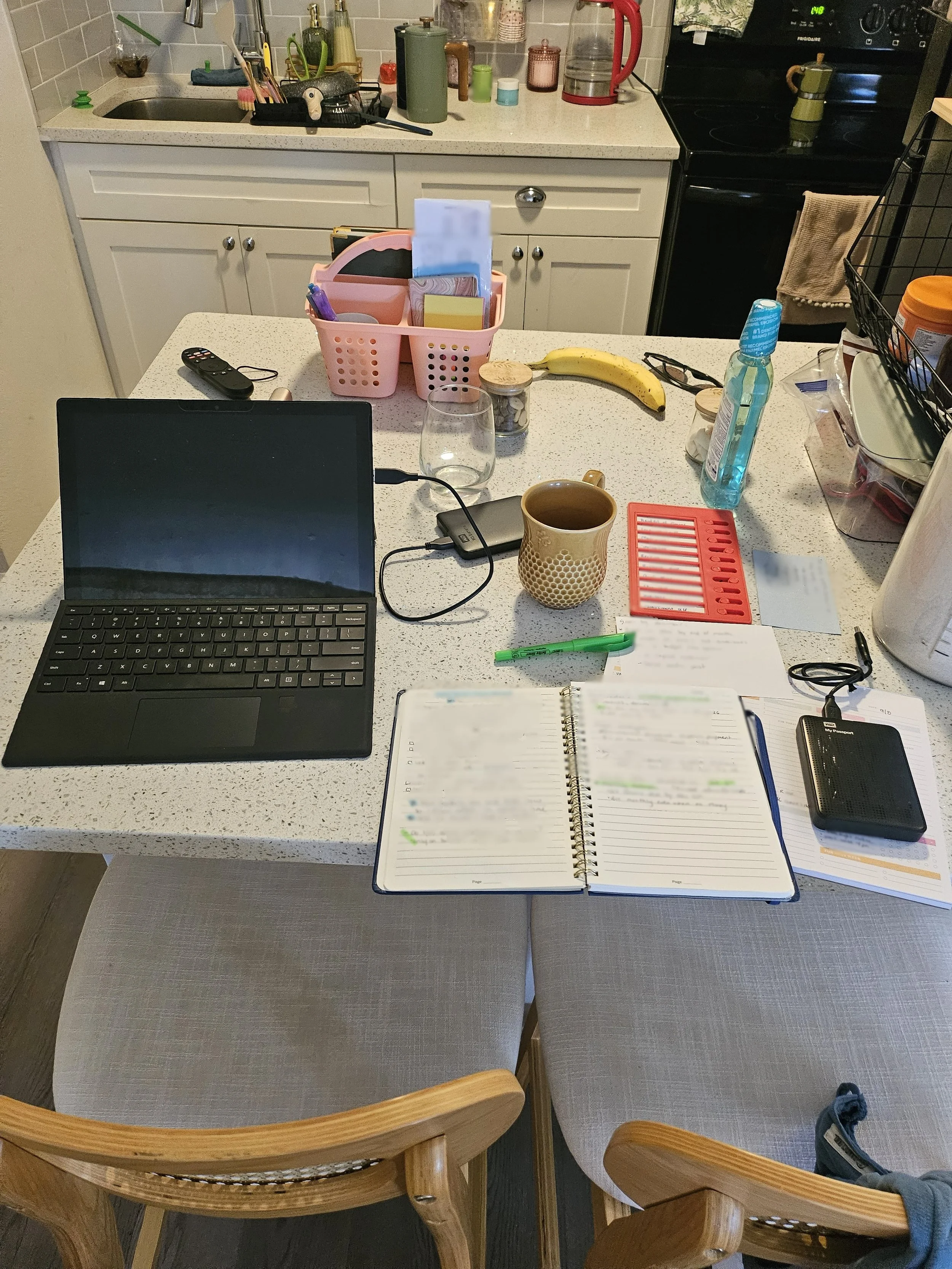
Think about kitchen counters, entryway, coffee table, bathroom sink, bedside table. These areas affect your stress levels quickly because you see and use them constantly.
For me personally, this is my kitchen island, my desk, and my bathroom sink. Those are the spaces I move between all day long, floating around in my own little triangle of chaos. And much like the Bermuda Triangle… things tend to mysteriously disappear there. Those are the spaces where my daily life actually happens, which also means they become the easiest places for clutter to quietly pile up.
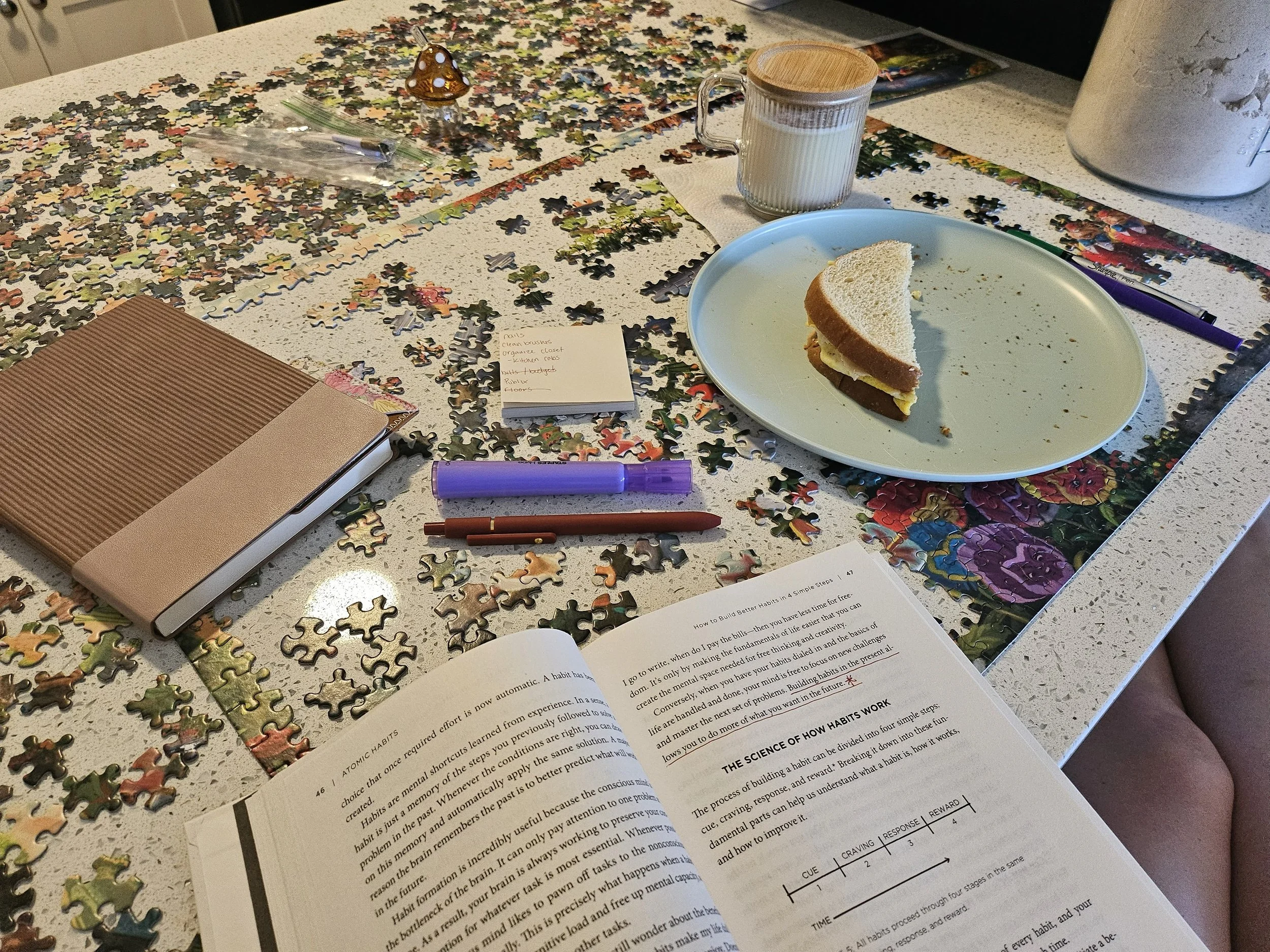
Try to find tiny reset habits to add to your day.
Clear the counter before bed, don’t leave dirty dishes over night. Reset the couch pillows in the morning after you have your dog head to their crate. Brush your teeth, then clear off you bathroom sinks. Small resets matter more than occasional perfection.
If you haven’t read Atomic Habits by James Clear yet, it’s an amazing resource for understanding how habits shape your daily life in ways you don’t even notice. One concept the book talks about is “habit stacking,” where you attach a new habit to something you already do automatically.
For me, that looked like this: When I finish making coffee in the morning, I put away my French press and kettle immediately instead of leaving them on the counter all day. Then I started stacking another habit onto that moment: resetting the kitchen after breakfast. Because I know myself. If I leave dishes sitting there “for later,” they slowly evolve into a full mountain by nighttime.
2. Reduce Friction Everywhere Possible
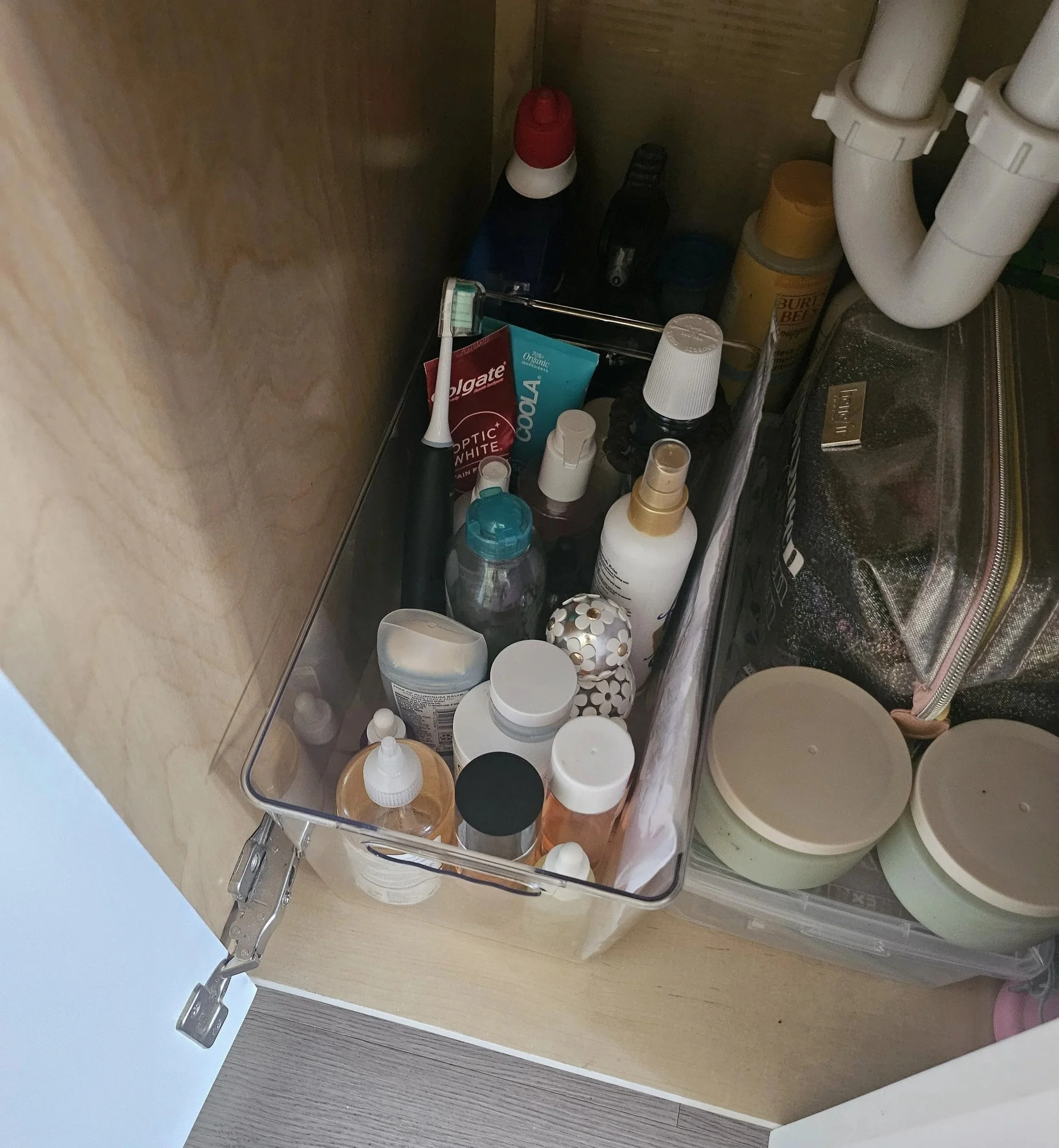
People naturally follow the easiest system available. If putting something away feels complicated, your brain will avoid it. This is why beautiful organization systems sometimes fail in real life. They look amazing, but they require too many steps to maintain. A few examples:
hooks are often easier than hangers
open baskets are easier than bins with lid for frequent use items
having a laundry basket where clothes actually land works better than where you think they should
keeping cleaning supplies where you use them increases the odds you’ll actually clean quickly
A good system works with your natural habits instead of fighting them. A simple exercise for this is to look around the room you’re sitting in right now. Where does clutter naturally collect? Is it the side table next to the couch? The kitchen counter? That pile of chargers that somehow migrates from room to room while one of them is always missing?
Start there. Put a small basket there. A bowl. A tray. A little bin. Whatever you already have is enough to begin. You do not have to fight every habit or suddenly become a completely different person overnight. Sometimes the best thing you can do is set your environment up to support you a little better.
3. Stop Organizing Things You Don’t Actually Use
This one hurts a little sometimes. A lot of clutter is aspirational clutter. What I mean by that are those hobbies you swear you’ll start again. The clothes that don’t fit you or your identity, clothes that don’t make you feel your best. All the tangled cords to electronics you no longer own or you aren’t really sure what it goes to anymore. You’re not using it, it' doesn’t matter. “Important” papers you haven’t looked at in three years that everyone said we had to keep.
You do not need to beautifully organize everything you own despite what you see on Pinterest. Sometimes the real solution is simply owning less stuff that creates maintenance. Not in a harsh minimalist way. Just in a realistic: “Why am I keeping this?” kind of way. Your home gets easier to maintain when it contains fewer unresolved decisions.
4. Build Weekly Resets Instead of Waiting for Burnout
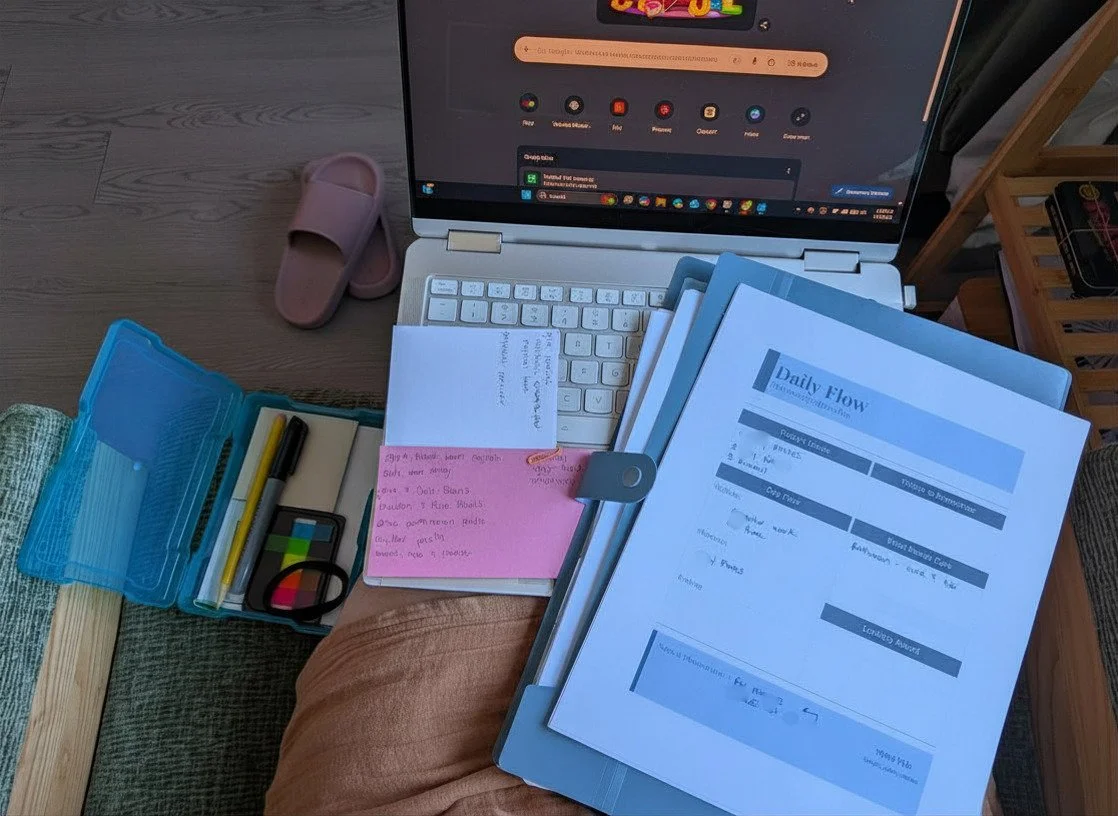
This is the biggest shift. Most people wait until things feel completely overwhelming before resetting their home. But tiny weekly resets prevent the “everything has collapsed” feeling from building up in the first place. A weekly reset does not mean spending your entire Sunday deep cleaning.
It can look like checking the fridge before groceries ordering groceries. Tossing expired products while put them away. Laundry on Tuesdays and Saturdays, and then putting that laundry away when it’s dry and not in a month. Clearing surfaces when you’re done at them. Vacuum before your favorite show on Fridays.
The goal is not to be perfect, it’s to reduce the friction later on.
What a Weekly Reset Actually Does
A good weekly reset creates breathing room. It helps your future self find things easier, cook easier, leave the house easier, think more clearly, and recover faster when life gets busy.
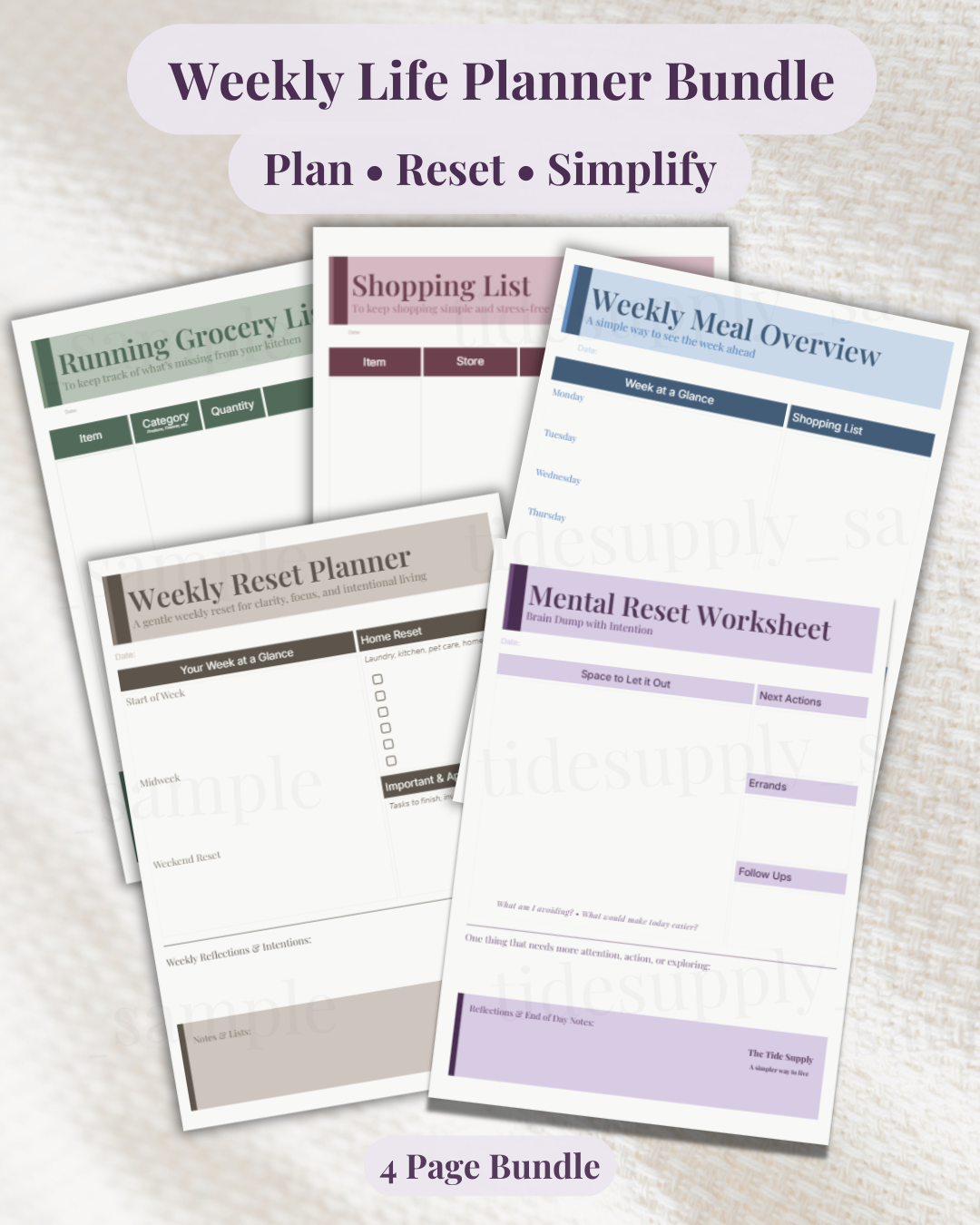
And honestly, sometimes the biggest benefit is emotional. A reset helps stop that low-grade feeling that your life is quietly slipping out of your hands. This is also exactly why I created the Tide Supply Weekly Reset Bundle. Not to help people become perfectly organized humans who alphabetize spices for fun.
Just small, simple structure for real life. The bundle includes simple tools like a weekly reset page, brain dump space, meal overview pages, and helpful shopping lists. Nothing complicated. Just supportive systems that help life feel a little easier to maintain.
If you’re not quite ready for the structure or want to start for free, head to our Freebie Page. Looking for a different way to start?
Start with a 20-Minute Reset
If your home feels overwhelming right now, don’t try to fix everything today. Start smaller than you think you should. Set a timer for 20 minutes and clear one visible surface, one load of laundry, one trash sweep, clean out one drawer.
That’s enough. Seriously. A calmer home is usually built through repeatable small resets — not giant motivational cleaning marathons fueled by caffeine and frustration. Your house does not need to look perfect to support you well. Most people don’t need stricter schedules or more discipline. They need easier systems that support them when life gets messy again. Because it will. That’s normal too.