How to Reset Your Life When Everything Feels Off (A Simple System)
Nothing is completely falling apart… but nothing feels fully together either.
You’re doing what you’re supposed to do, what everyone is doing. You’re handling things. Keeping up. Moving forward on paper.
But it still feels messy. Like something is slightly off all the time.

It’s like carrying groceries without a cart. You start with a few things and it feels manageable, so you grab one more, then another, then something else you forgot. Before you know it, your arms are full. You shift one item to keep it from falling and something else slips. The bread gets crushed. You’re trying to hold everything together, but it’s not working—not because you’re doing anything wrong, but because you’re missing a system, and you don’t have anything to hold it all.
Most people don’t have a clear baseline to return to. There’s no default, no reset point, no simple way to get back on track. So everything lives in your head—what needs to be done, what you forgot, what you should be doing next. When you don’t have a system, everything becomes something you have to think about, and that’s what makes life feel heavier than it actually is.

A system is simply a repeatable way to make life easier. It’s not a strict routine, not a perfect schedule, and not something you have to follow every day. It’s something you can come back to when things start to feel off. Where routines try to control your time, a system supports your life. It gives you a place to reset instead of forcing you to start over.
You don’t need to figure everything out in one sitting, and you won’t get it perfect the first time. You’re not supposed to. A system isn’t something you build all at once—it’s something you build by returning to it. Small resets, repeated over time, create stability in a way that one big overhaul never does.
“A system is simply a repeatable way to make life easier”

The reset itself is simple. Start by clearing everything out of your head—tasks, thoughts, reminders, stress—and getting it onto paper. You can’t organize what you haven’t fully seen yet, and this step alone often lifts more pressure than expected. From there, you begin to see things more clearly. Some things are urgent, some can wait, and some don’t matter as much as they felt like they did.
Once you have that clarity, you reset your focus. Instead of trying to handle everything, you choose a few things that actually matter right now. Not the entire list, just enough to move your day forward. You don’t need to fix everything—you just need to make progress where it counts.
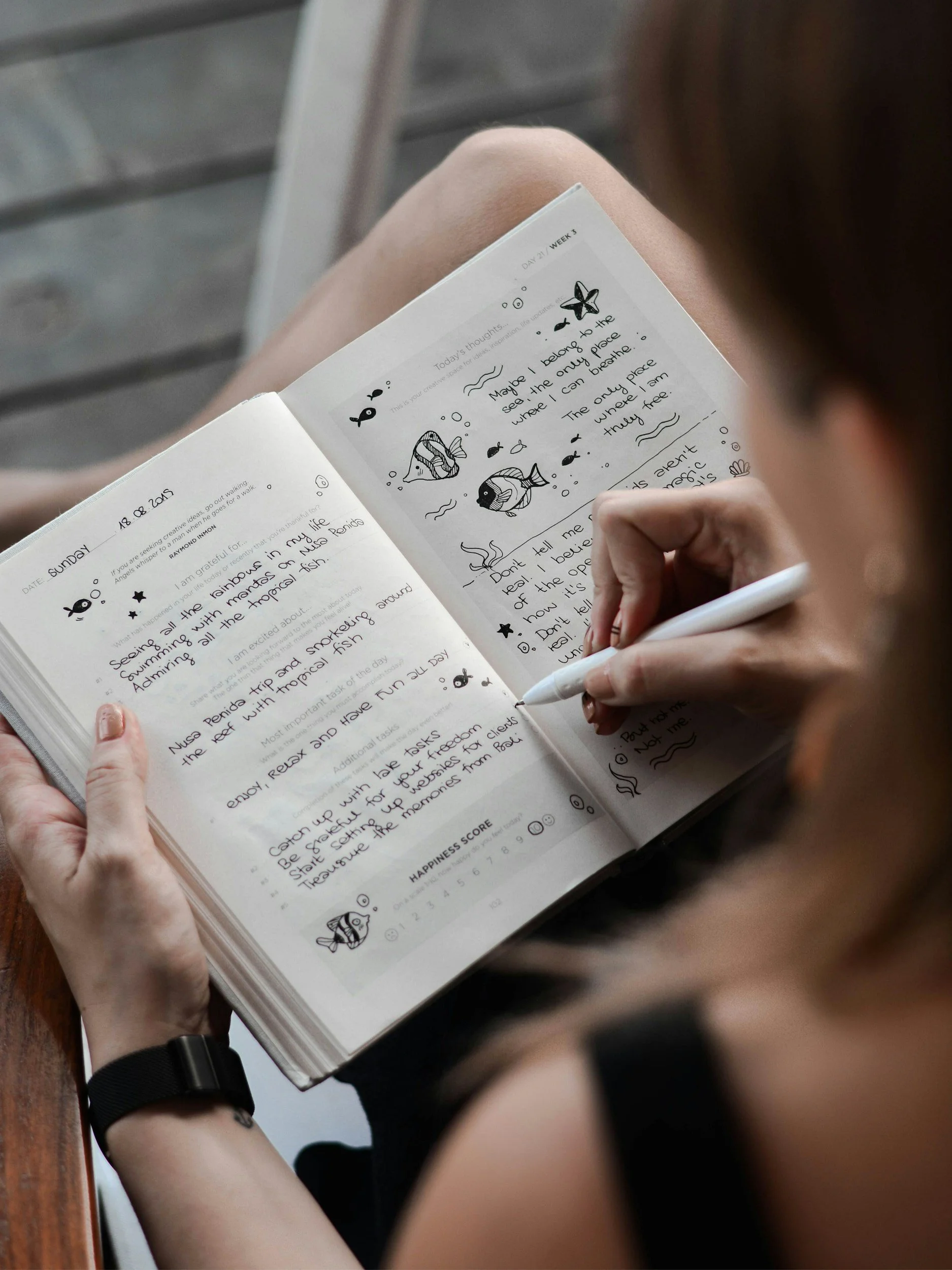
Then you create a simple plan. Not a perfect one, not a final one—just something you can follow for today. If you don’t stick to it or it feels hard to use, that doesn’t mean you failed. It means your system isn’t complete yet, which is exactly how it’s supposed to work. Systems need time to show you where the friction is. You have to use them, notice what feels off, and adjust from there.
Where most people get stuck is trying to carry everything in their head or fix everything at once. They think they need to build the perfect system before they begin, so they keep starting over instead of resetting. And starting over is exhausting in a way resetting isn’t. Starting over requires energy. Resetting creates it.

There’s also a strong connection between your environment and your peace. When you own less, you naturally have less to think about. Less to clean, less to manage, less to organize, and less to keep track of. That creates space, not just physically in your home but mentally as well. When your environment is calmer, your systems are easier to follow, and your day requires less constant decision-making.
You can do this reset on your own, but having a simple place to put everything makes it easier and far more likely that you’ll follow through. A container—something that holds your thoughts, priorities, and next steps—removes a lot of the friction.
That’s why I created a Free Quiet Start Kit you can use anytime things start to feel messy. It walks you through clearing everything out, seeing what matters, and resetting your focus in a way that’s easy to return to. You can keep it on your phone or print it out and use it whenever you need a reset.

In real life, this is what it replaces: that constant feeling of almost being caught up, only for your list to double again. The feeling of cleaning your space but never quite feeling like it’s clean. Spending your day picking things up, putting things away, and trying to stay on top of everything without ever feeling settled. Not knowing what you’re eating later, what you’re wearing, or what actually deserves your attention. All of that constant thinking and deciding is what’s exhausting—not your life itself, but the lack of a system to hold it.
If you’re not sure where to start, keep it simple. Sit down with a blank page or a reset sheet and write everything that’s on your mind. Look at it, circle a few things that actually matter today, and let the rest wait. Then take one small step forward. That’s enough.

This doesn’t have to be perfect. It won’t be. Some of your systems won’t work the first time. Some will feel off. Some will need to change. That’s not failure—that’s how they become yours. What matters is that you’re paying attention, adjusting, and staying consistent enough to notice what’s working and what isn’t.
You don’t need a perfect system. You need one you come back to. Because you don’t need to carry everything on your own—you just need a better way to hold it.
If you want something simple to guide you through this, download my Free eBook and Planning Sheets by clicking here…