Your Closet Is Full, So Why Do You Still Have Nothing To Wear?
You stand in front of a full closet every morning and somehow end up unhappily wearing the same three outfits. The hangers are packed together. The dresser drawers barely close. There are clothes for work, clothes for weekends, clothes for special occasions, and a few pieces that still have tags attached. And yet, getting dressed feels harder than it should.
We are all living the experience, because I too have stood in front of my closet wondering how it's full, yet I couldn't find anything to wear.
The best place to start is by giving yourself fewer decisions. Before you work on creating a wardrobe you truly love and wear, you need to create space for it. Space to see what you own. Space to understand what you actually wear. Space in your mind for what matters.
The Problem Isn't a Lack of Clothes
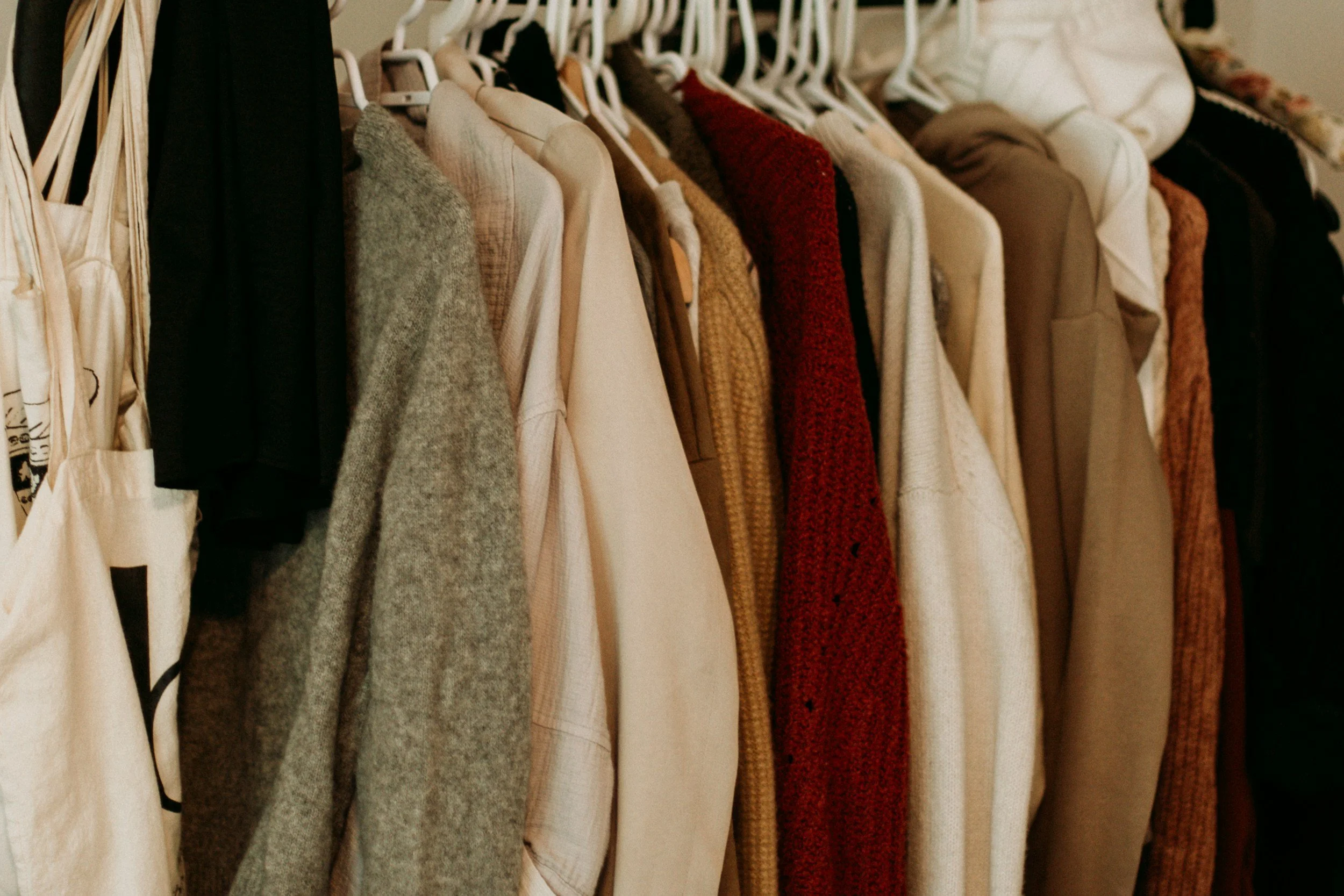
Most closets contain plenty of clothing. The challenge is that many of those pieces don't work together, don't fit your current lifestyle, or belong to a version of yourself that no longer exists. Maybe you're holding onto the jeans that almost fit, the dress you bought for an event that never happened, the trendy top that looked great online but never feels quite right, or clothes from a previous job, season of life, or style phase. Over time, all of those pieces create visual and emotional clutter, and cause decision fatigue in places you simply don’t need it.
Why a Full Closet Can Feel So Stressful
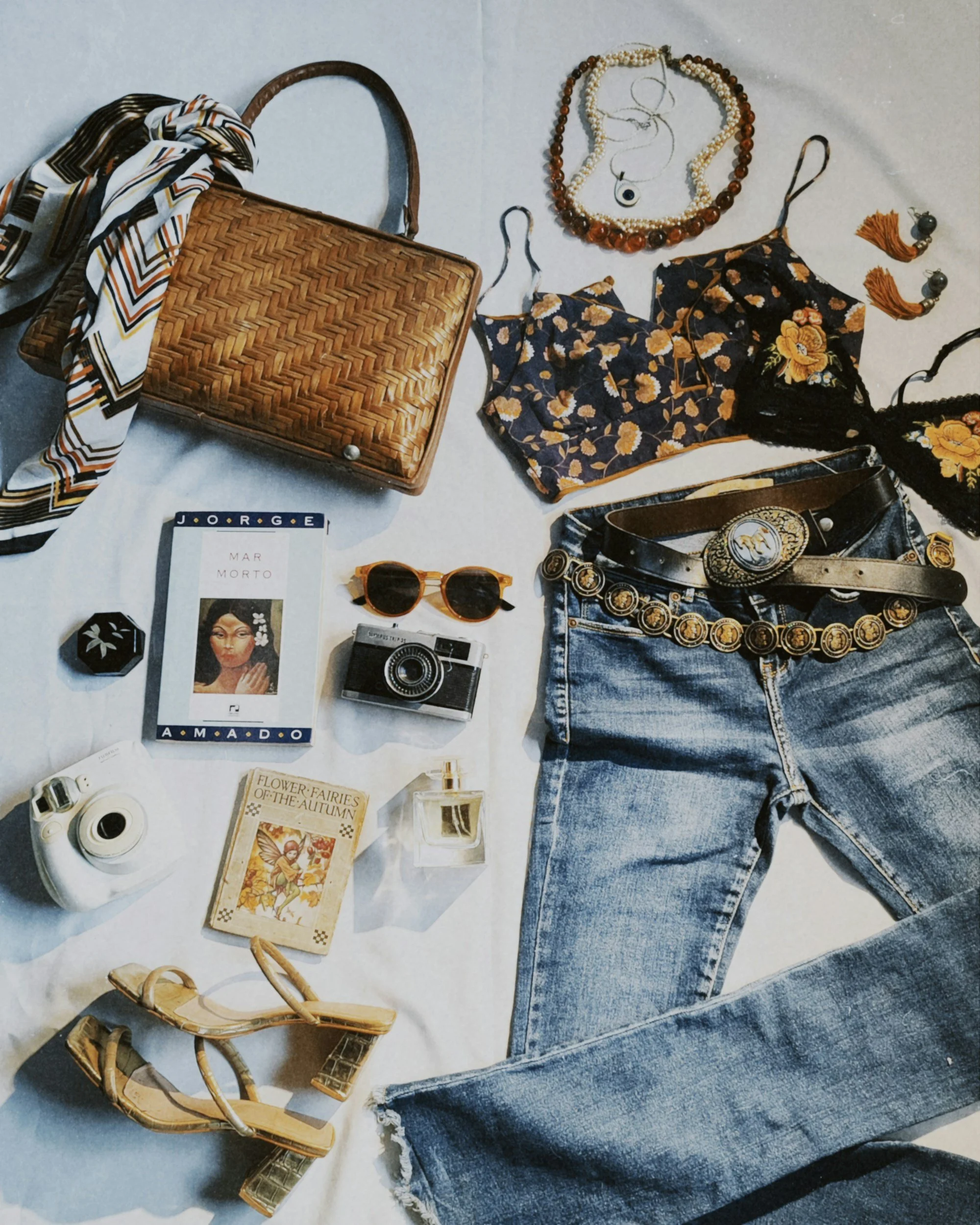
We often assume that having more options makes life easier. More options, more outfits, more styles. In reality, the opposite is often true because nothing got picked out intentionally. Every morning starts with dozens of tiny decisions. What should I wear? Does this match? Is this comfortable? Do I feel good in this? Does it fit what I'm doing today? None of these decisions are difficult on their own, but together they create friction before your day even begins. A simpler wardrobe doesn't eliminate choice. It makes the right choices easier to find.
Start With What You Actually Wear
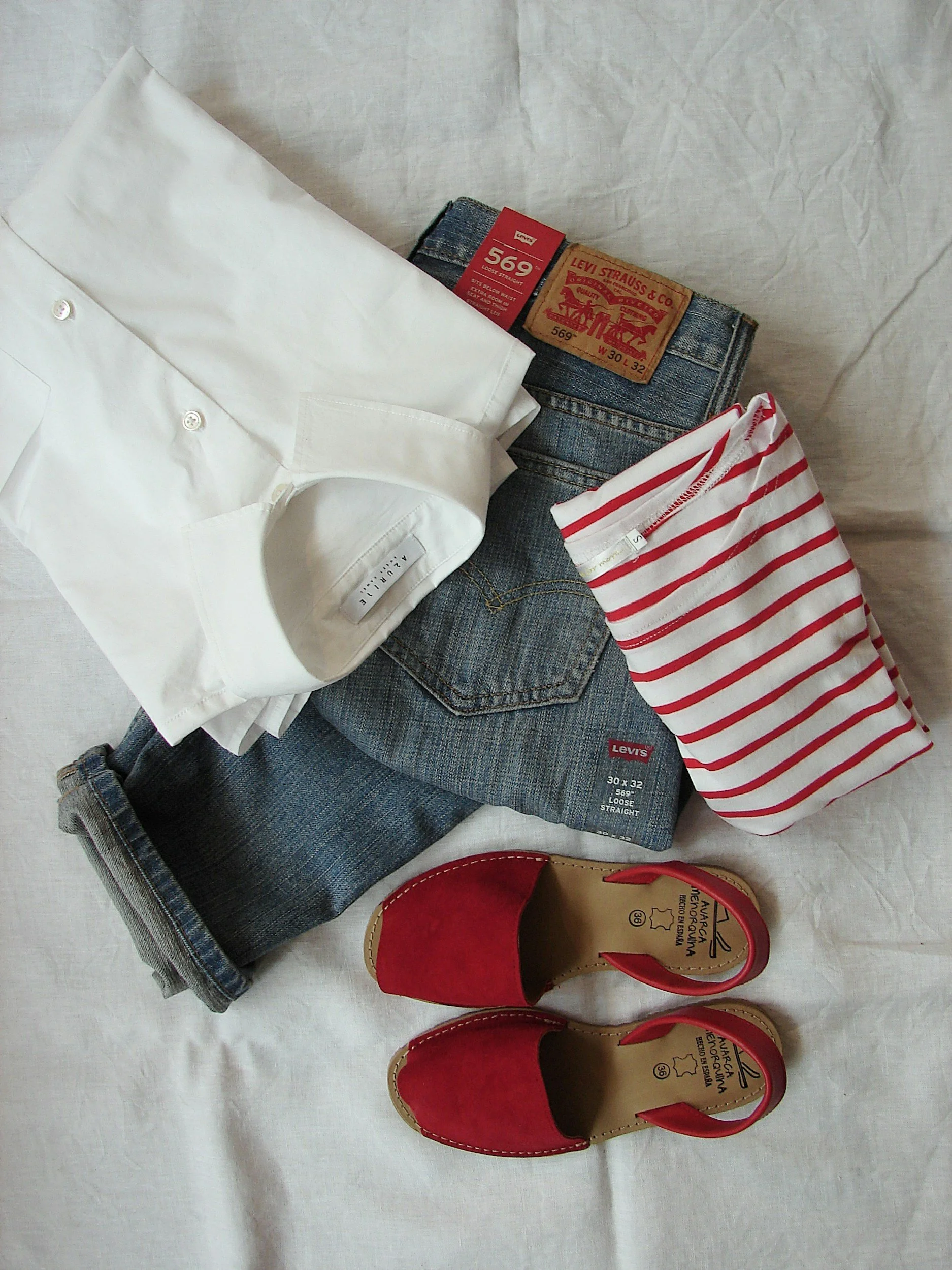
One of the most helpful wardrobe exercises has nothing to do with shopping. Instead, take a look at what you already reach for. Start paying attention to what you actually wear. Not what you think you should wear, not what looked cute on Pinterest, but what you genuinely reach for when you're running late, grabbing coffee, walking the dog, or meeting a friend for lunch. Those pieces are trying to tell you something.
Maybe you love relaxed fits but will die your skinny jeans no matter what your Gen Z coworker calls them. Maybe you wear neutral colors almost every day. Maybe you reach for natural fabrics, simple dresses, comfortable jeans, or oversized button-down shirts. Those patterns tell you far more about your personal style than any trend report ever will. Dress in a way that feels like you, and give yourself time to figure that out.
Try the Backward Hanger Method
If you're not sure what you're actually wearing, try this simple trick. Turn all of your hangers backward. After you wear something, return it to the closet facing the correct direction. Over the next month or two, you'll start to see which pieces are getting used and which ones are simply taking up space.
That doesn’t mean you have to immediately get rid of everything that's still hanging backward. Instead, get curious. Ask yourself why you're not wearing it. Does it fit? Is it comfortable? Does it match your current lifestyle? Would you buy it again today?
Speaking of hangers… One of the easiest upgrades I've made wasn't buying new clothes, it was upgrading to matching hangers that protected my clothes. When everything hangs at the same height and takes up the same amount of space, it's easier to see what you own, spot what you actually wear, and notice gaps in your wardrobe. Overall, it’s cleaner to look at. Whether you prefer wood, bamboo, velvet, or slim space-saving hangers, creating a little visual consistency can make your closet feel less cluttered without buying a single new piece of clothing.
If you're unsure, place those items in a storage bin or what I like to call a closet vacation box. Take the clothing out of your closet for a while before making a final decision. Sometimes distance makes the answer obvious (that advice doesn’t just apply to clothing). A simple storage bin gives your “maybe” clothes a place to rest without living in your daily closet. Choose a clear bin if you want to easily see what’s inside, or a more stylized fabric bin if it will be visible and you want your storage to blend into your space. Don’t’ forget about the space under the bed, it can look stylish too.
Dress for the Life You Actually Have
One of the biggest wardrobe mistakes isn't buying the wrong clothes. It's buying clothes for a life we don't actually live. Many of us build fantasy closets. We shop for vacations that haven't been booked, events that rarely happen, or versions of ourselves we hope to become someday. I have absolutely been victim to an outfit in my head that did not pan out like it was supposed to, and then ended up with three random new pieces that fit nothing. Cool.
Meanwhile, our real life might look more like working from home, walking the dog, running errands, meeting friends for coffee, and trying to get through a busy week. It needs breathable fabrics and movement. There's nothing wrong with owning clothing for special occasions or something you couldn’t live without, but your wardrobe should mostly support the life you're living right now. When your closet reflects your actual routine, getting dressed becomes much easier and those items become more special.

Thrift for Gaps, Not for Entertainment
As someone who loves thrifting but lives in a small studio, I've learned that not every good deal deserves a spot in my closet. It can be cute, my color, my size, and I could still not have a reason for it. The most successful thrift trips happen when I know exactly what I'm looking for, and I’m much more satisfied when I brought home what I actually wanted. Even if that didn’t happen the day I started looking for it, let it take time.
Instead of browsing through endless racks and bins, try to identify gaps in your closet first. Maybe you realize you wear button-down shirts constantly and could use another. The reason you like them so much could be the fabric, and that’s the only piece of it you have. Maybe you need a lightweight cardigan or a blue layering piece. If you are still having a hard time, ask someone who sees you every day.
Whether you use a notebook, notes app, planner, or printable worksheet, writing down wardrobe gaps helps prevent random purchases and impulse buys. Thrifting becomes a treasure hunt with a map instead of instead of Ikea furniture with no instructions. You don't need more clothes. You need the right clothes. There's a big difference.
A Simple Closet Doesn't Mean a Tiny Closet
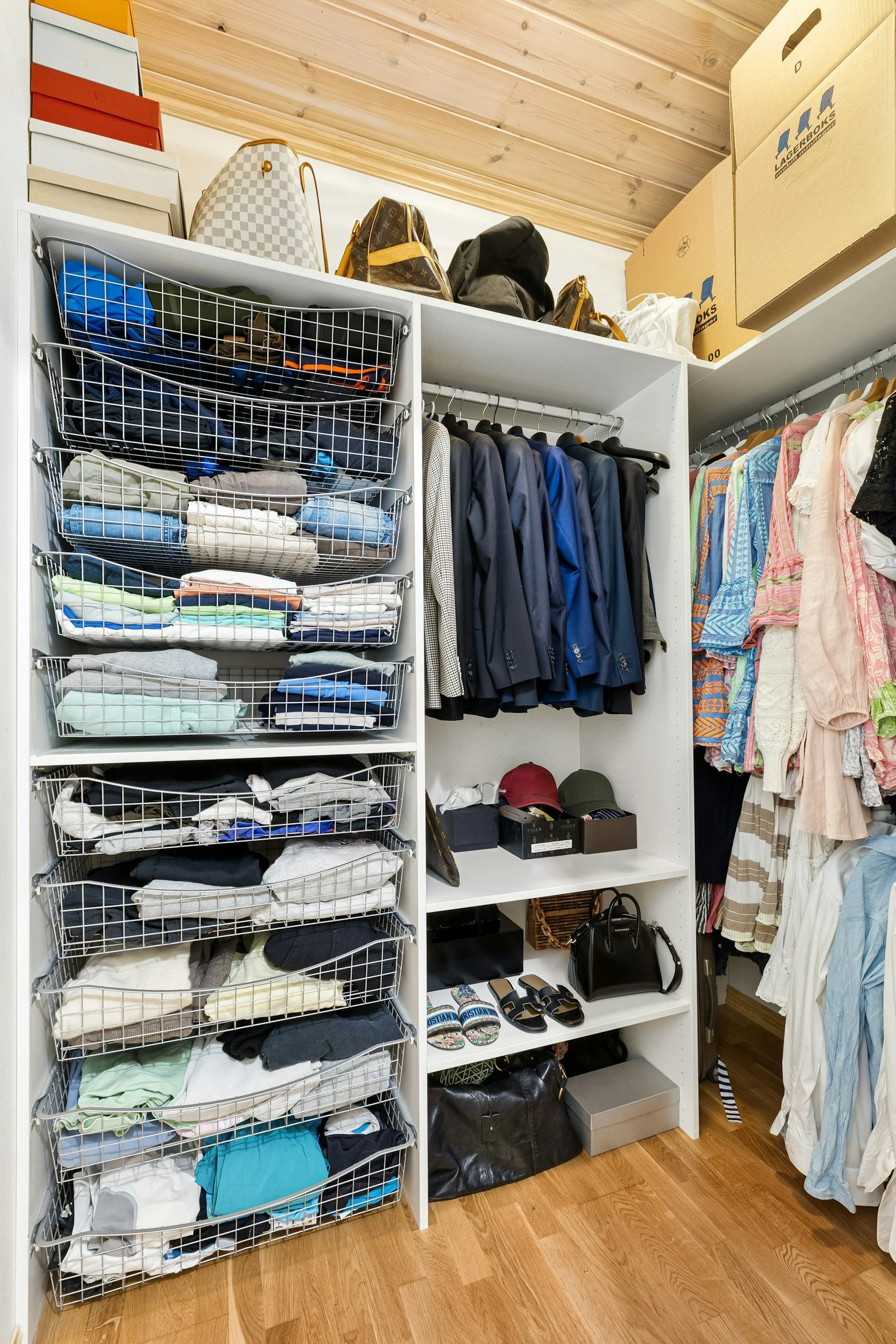
You don't have to limit yourself to a 20-piece capsule wardrobe, and you definitely don't need to throw everything away, or start dressing like a minimalist influencer who only owns beige.
The goal isn't less for the sake of less. The goal is a closet that actually works for your life and that you enjoy wearing. A simple closet is simply a closet that works. It's filled with pieces you enjoy wearing, that fit your lifestyle, and that make getting dressed feel easier rather than harder. The number doesn't matter nearly as much as the usefulness of your closet.
Start Here This Weekend
If your closet feels overwhelming, start small. Pull out your 10 most-worn items and look for patterns. Try the backward hanger method. Remove the obvious "not me anymore" pieces. Then create a Closet Wish List only after you've identified actual gaps. Jot down notes, look through recent photos, or start taking daily photos to see it.
We aren't shopping. We're curating. Let it take time. The goal isn't to own more clothes. The goal is to slowly build a wardrobe that works together, supports your lifestyle, and feels like you. You may discover that what you need isn't another shopping trip. You may simply need a better understanding of what already works. Sometimes the easiest way to improve your wardrobe isn't adding more. It's paying attention to what you're already reaching for.